
Wedding Dress Without Alterations: Is It Possible?
A wedding dress without alterations can be possible with made-to-measure design. Learn what to expect, how fit works, and when custom is worth it now.
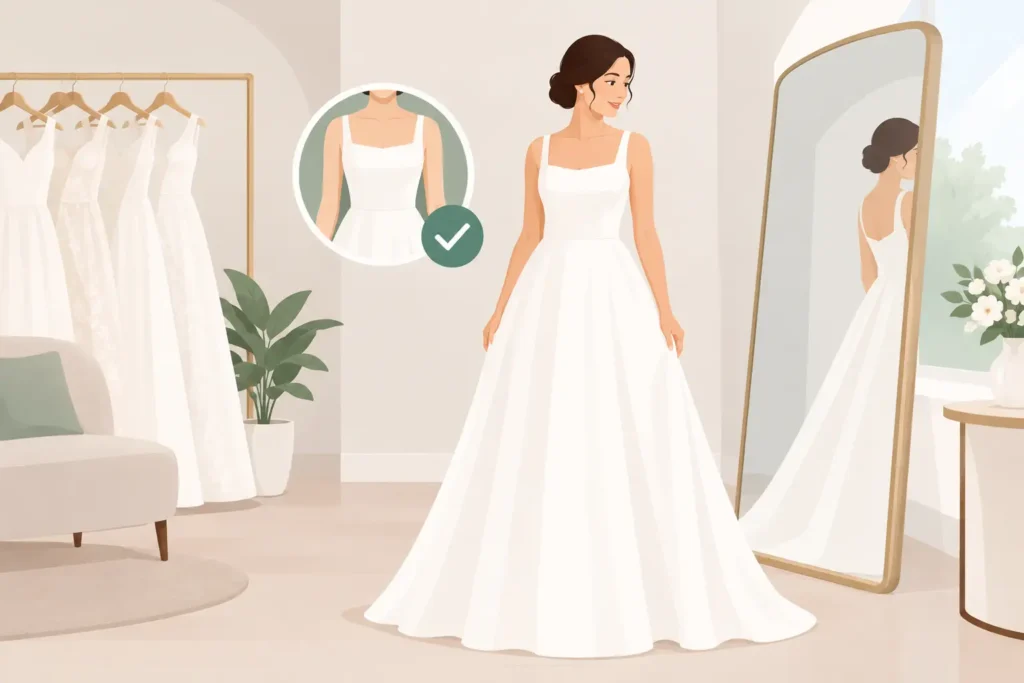
You should not have to choose between the gown you love and the way you want to feel in it. A wedding dress without alterations is possible when the dress is created around your measurements from the start, rather than purchased in a standard size and reshaped afterward. For many brides, that means fewer surprises, more comfort, and a clearer path from first appointment to wedding day.
The key is knowing what “without alterations” really means. It does not mean skipping thoughtful fit planning. It means moving that planning to the beginning, when your measurements, proportions, personal style, and wedding plans can guide the design.
Can You Really Buy a Wedding Dress Without Alterations?
Yes, but the answer depends on how the gown is made. Most traditional bridal gowns are ordered in a standard size. Even when a salon helps you choose the closest size, the dress is built for a general size chart, not your exact body. Hemming, taking in the bodice, adjusting straps, reshaping sleeves, and adding bust support are all common next steps.
A made-to-measure gown works differently. Your measurements are taken before production, and the gown is made to those dimensions. The goal is a dress that arrives with the bodice, waist, hips, length, and proportions considered from day one. This can eliminate the typical alteration process and its additional costs.
That said, “no alterations” should never mean “no final check.” Bodies can change, shoes can add height, and a wedding-day undergarment may affect fit. A careful bridal designer will still invite you to try on your gown before the celebration and assess how it feels when you sit, walk, hug, dance, and raise your arms. Small finishing refinements are sometimes appropriate, but they should not be the expensive reconstruction many brides expect after buying off the rack.
Why Standard-Size Gowns Often Need So Much Work
Bridal sizing can be frustrating because it is not the same as everyday clothing sizing. A bride may measure like one size in the bust, another at the waist, and another through the hips. Ordering for the largest measurement is often the safest choice with a ready-made gown, but it can leave other areas needing significant adjustment.
Then there is the dress itself. Structured corsetry, delicate lace, beading, sleeves, sheer panels, and layered skirts all take specialized work to alter well. A simple hem may be straightforward, while a hem with lace appliqué or a heavily embellished skirt can become far more involved. The same applies to changing a neckline, lifting straps, or reshaping a fitted bodice.
This is why a lower sticker price does not always equal a lower total investment. A gown may seem like a perfect find until the alteration estimate arrives. For brides working with a defined budget, made-to-measure pricing can offer welcome clarity because fit is part of the gown-making process rather than a separate, uncertain expense.
What Made-to-Measure Actually Includes
Made-to-measure is personal, but it does not have to be complicated. During a private appointment, your bridal consultant should begin by listening: what kind of celebration are you planning, what silhouettes make you feel confident, and what has not worked in other dresses?
Measurements are only one part of the conversation. Your height, torso length, bust support needs, posture, preferred heel height, and comfort level with structure all matter. A sleek fitted gown may need different planning than a soft A-line, while a reception dress may prioritize movement over a long train.
At Glam by Nanie, brides can personalize a collection design or create something more original around their vision. That might mean adjusting a neckline, selecting a different fabric, adding sleeves, choosing a detachable overskirt, or designing a second look for the reception or after-party. The experience is designed to give you choices without making custom bridal feel out of reach.
For a made-to-measure dress to work well, transparency matters. Ask what is included in the quoted price, when your final measurements will be confirmed, and how the team handles any small fit adjustments after delivery. A supportive bridal experience makes room for these questions and answers them clearly.
How to Improve Your Chances of a Near-Perfect Fit
Your gown team can do a great deal, but a few decisions on your side help protect the fit you worked so carefully to create. The most helpful thing you can do is schedule your measurements when your weight and routine feel relatively stable. There is no pressure to change your body for your wedding. The goal is simply to make the dress for the body you expect to have on the day.
Choose your wedding shoes, or at least decide on heel height, before final length measurements. A gown made for a three-inch heel will sit differently with flats. If you plan to wear shapewear, a specific bra, or bust support cups, discuss that early as well. The right support can change the way a bodice rests against your body.
It also helps to be honest about movement. If you want to sit comfortably through dinner, dance for hours, or take outdoor portraits in Houston heat, say so. A dress can look beautiful standing still and still be wrong for the way you want to celebrate. Comfort is not a compromise in bridal design. It is part of feeling like yourself.
When Alterations May Still Be Needed
Even a beautifully made custom gown cannot control every variable. If your body changes substantially after measurements, the fit may need updating. A last-minute shoe change can affect the hem, and a different undergarment can alter the fit of the bodice. Wedding timelines can shift, too, which is why it is wise to leave enough time for a final try-on before the big day.
Some bridal details are also intentionally flexible. A detachable sleeve, removable overskirt, or adjustable corset back may offer options without requiring an alteration. These choices can be especially useful if you want one look for the ceremony and another for the reception.
The distinction is important: a made-to-measure gown is not a promise that your body will never change. It is a smarter approach that reduces the likelihood of major tailoring because the dress begins with you, not a generic chart.
Is a Wedding Dress Without Alterations Worth It?
For many brides, it is worth it because it replaces uncertainty with intention. Instead of finding a dress and wondering how much more it will cost to make it feel right, you start with a gown designed for your proportions, style, and plans. The result can be a more comfortable fit, a more personal design, and a more predictable budget.
It may be especially appealing if you have struggled to find dresses that accommodate a longer torso, fuller bust, petite frame, curvier hips, or a combination of measurements that standard sizing does not serve well. It is also a meaningful option for brides who want more say in the final details without stepping into an overly formal couture process.
The right gown should let you focus on the people in front of you, the music playing, and the moment you have waited for. When your dress is made with your body and your celebration in mind, getting dressed can feel less like a fitting challenge and more like the beginning of the party.